adamrichards

About Gary Tarling

This author has not yet filled in any details.
So far Gary Tarling has created 26 blog entries.

Standing water and icy paths: keeping access routes safe during winter

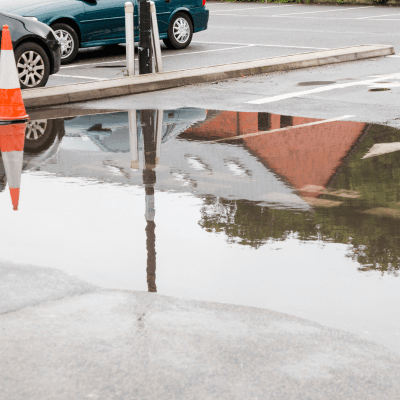
Standing water and icy paths are among the most common winter safety issues on commercial sites. Once colder and wetter conditions set in, access routes such as walkways, entrances and service areas often become the first places where drainage problems appear. In many cases, these issues are treated as surface-level concerns. However, they are [...]

By |2026-01-22T16:02:22+00:00January 22nd, 2026|Blocked drain, Flooding|Comments Off on Standing water and icy paths: keeping access routes safe during winter

Why quieter trading periods are the best time to deal with drainage issues

Many businesses experience a natural slowdown after the peak trading and operational pressures of December. For some, this quieter period is used to review performance, plan ahead and address issues that are difficult to resolve during busier times. Drainage is one area that often benefits from this approach. When footfall is lower and sites [...]

By |2026-01-22T14:15:43+00:00January 12th, 2026|Blocked drain, Pre-Planned Maintenance|Comments Off on Why quieter trading periods are the best time to deal with drainage issues

How drainage systems cope with freeze thaw cycles: what facilities managers need to know

Why freeze thaw cycles matter for drainage systems Freeze thaw drainage issues are one of the most common causes of winter disruption for commercial sites. As temperatures fall and rise again, water inside drains, gullies and pipework can freeze, expand and then thaw. This repeated cycle puts extra pressure on drainage systems and can [...]

By |2025-12-12T13:57:52+00:00December 12th, 2025|Pre-Planned Maintenance|Comments Off on How drainage systems cope with freeze thaw cycles: what facilities managers need to know

How to protect your drainage system during the Christmas shutdown

Why Christmas shutdowns increase drainage risks  The weeks leading up to Christmas are often some of the busiest of the year for commercial sites. Increased footfall, heavier delivery schedules and more frequent use of facilities all place pressure on external areas. At the same time, winter weather brings heavier rainfall, falling temperatures and more [...]

By |2025-12-12T14:33:13+00:00December 5th, 2025|Commercial work, Pre-Planned Maintenance|Comments Off on How to protect your drainage system during the Christmas shutdown

How winter drainage maintenance keeps your site safe and operational this winter

Why winter drainage maintenance matters Winter drainage maintenance is a key part of keeping commercial sites safe, accessible and operational during the colder months. Heavy rainfall, freezing temperatures and seasonal debris place additional pressure on drainage systems, and even small issues can become disruptive when demand increases. Many drainage failures during winter are avoidable [...]

By |2025-11-24T13:40:08+00:00November 24th, 2025|cracked drain pipe|Comments Off on How winter drainage maintenance keeps your site safe and operational this winter

Understanding surface water drainage: who’s responsible and why it matters

Surface water drainage responsibility is becoming a more significant issue for businesses and property managers across the UK. As rainfall becomes heavier and more frequent during the autumn and winter months, many commercial sites experience standing water, blocked gullies and localised flooding. In most cases, these problems occur not because of extreme weather, but [...]

By |2025-11-13T13:49:52+00:00November 13th, 2025|Environment, Flooding|Comments Off on Understanding surface water drainage: who’s responsible and why it matters

Why autumn flooding is on the rise and how businesses can prevent it

Autumn flooding is becoming an increasingly serious issue for businesses across the UK. As rainfall intensifies and drainage systems come under greater strain, many commercial properties are discovering that even a short downpour can cause significant disruption. For site and facilities managers, the risk is not only about bad weather, but about how well [...]

By |2025-10-20T13:39:52+00:00October 20th, 2025|Environment, Flooding|Comments Off on Why autumn flooding is on the rise and how businesses can prevent it

Why grease management matters for commercial kitchens

Every commercial kitchen produces fats, oils and grease as part of daily food preparation. From cooking oils and sauces to food scraps washed down sinks, these by-products can cause serious problems if they are not managed correctly. Effective commercial kitchen grease management is essential for keeping drains clear, maintaining hygiene standards and staying compliant [...]

By |2025-10-20T13:37:49+00:00October 10th, 2025|Grease Trap|Comments Off on Why grease management matters for commercial kitchens

How sustainable drainage systems reduce flood risk and secure compliance

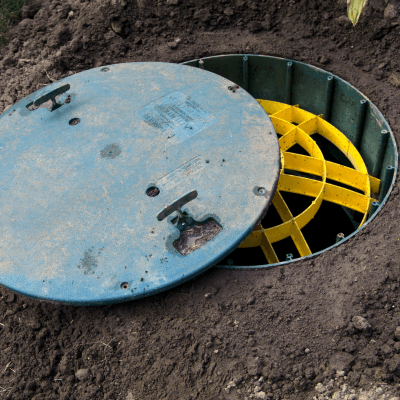
Sustainable drainage systems (SuDS) are a critical part of modern housing and commercial developments. They are designed to manage surface water more effectively than traditional drainage, reducing flood risk and supporting compliance with new planning regulations. For developers, the adoption of SuDS is not just an environmental consideration – it is now a legal [...]

By |2025-09-29T11:14:57+00:00September 26th, 2025|Environment, Flooding|Comments Off on How sustainable drainage systems reduce flood risk and secure compliance

Autumn drainage surveys: protecting commercial properties from flood risk

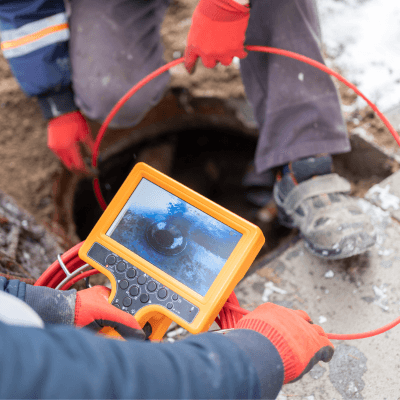
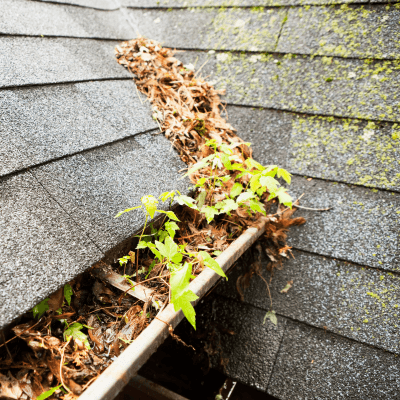
Autumn drainage surveys are an essential part of property maintenance for commercial sites. As leaves fall, rainfall intensifies, and colder weather sets in, drainage systems face more pressure than at any other time of year. Blocked drains or unnoticed faults in autumn can quickly escalate into costly flooding, disruption, and long-term structural damage. For [...]

By |2025-09-26T11:16:06+00:00September 19th, 2025|Blocked drain, Drain Cleaning, Sewers|Comments Off on Autumn drainage surveys: protecting commercial properties from flood risk
Go to Top