
As winter begins to ease, many property owners start to notice small but persistent drainage issues around their sites. Water that takes longer to drain away, gullies that begin to overflow or damp areas appearing where they were not present before are all common signs that a drainage system may need attention.
These problems often develop gradually during the colder months but only become obvious once conditions begin to change. Rainfall continues, frozen ground thaws and water begins moving more freely through pipework.
For commercial properties, rural sites and estates, early spring is often when hidden drainage problems reveal themselves. Identifying these issues early can prevent more serious disruption later in the year.
What drainage problems commonly appear after a wet winter? 
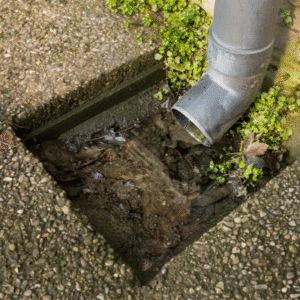
After a prolonged wet winter, drainage systems often show signs of strain. Debris build-up, sediment movement and ground saturation can all affect how efficiently drains function.
Some of the most common drainage problems seen in early spring include:
• blocked surface water drains and gullies
• sediment build-up inside pipework
• pipe damage caused by freezing and thawing ground
• saturated soakaways that cannot disperse water properly
• pipe movement caused by waterlogged soil
• root intrusion into drainage systems
Understanding these issues helps property owners identify when professional inspection may be required.
Why do surface water drains and gullies become blocked after winter?
Surface water drains and gullies collect rainwater from yards, access routes and car parks. During winter they can quickly become blocked by debris carried by wind and rain.
Typical causes include:
• fallen leaves
• road grit and sediment
• organic material washed from surrounding surfaces
• debris carried during heavy rainfall
Once spring rainfall arrives, partially blocked gullies may struggle to cope with water flow. This can lead to standing water around entrances, walkways and loading areas.
Professional drain jetting is often required to remove accumulated debris and restore normal flow.
How sediment build-up inside pipes affects drainage
Heavy rainfall during winter often washes silt and debris into drainage systems. Over time this material settles inside pipework and gradually reduces capacity.
As more water moves through the system in spring, restricted pipes can cause:
• slow drainage
• recurring blockages
• localised flooding
Because sediment accumulates inside underground pipework, the issue is rarely visible from the surface.
High pressure drain jetting is commonly used to remove internal build-up and restore the full capacity of the drainage system.
Can freezing temperatures damage drainage pipes?
Freezing temperatures can place stress on underground pipework. When water trapped in small cracks or joints freezes, it expands.
Repeated freezing and thawing cycles can weaken pipe joints or create fractures in older drainage systems.
As rainfall increases in early spring, these weaknesses may lead to:
• leaking joints
• soil entering the pipe
• gradual structural deterioration
CCTV drain surveys allow engineers to inspect pipework internally and identify this type of hidden damage.
Why root intrusion often starts in early spring
As temperatures rise, plant and tree roots begin to grow more actively in search of moisture. Drainage systems provide a reliable water source, making them attractive to roots.
Small cracks or pipe joints allow roots to enter and expand inside the drainage system.
Over time this can cause:
• partial blockages
• restricted flow
• structural pipe damage
Early detection through CCTV surveys allows root growth to be removed before more serious damage occurs.
Why soakaways may struggle after a wet winte
Soakaways rely on surrounding soil to absorb and disperse water. After prolonged rainfall, the ground around these systems may remain saturated for some time.
When this happens, water cannot drain away efficiently and surface flooding may occur.
This issue is particularly common in:
• car parks
• yards
• rural properties
• areas with clay soil
If problems persist once the ground begins to dry, further investigation may be required.
Why early spring drainage inspections are important
Many drainage issues develop gradually during winter but only become noticeable once conditions change.
Inspecting drainage systems during early spring allows problems to be identified before they escalate.
Early inspection can help prevent:
• flooding around buildings
• safety hazards caused by standing water
• operational disruption
• emergency drainage call-outs
• more extensive repair work later in the year.
How Drain & Sewer Services can help
Drain & Sewer Services supports commercial properties, rural sites and estates with a range of drainage services, including:
• drain unblocking and high pressure jetting
• CCTV drain surveys to identify structural problems
• surface water drainage inspection and maintenance
• culvert and rural drainage management
• emergency drainage support when urgent intervention is required
Regular inspection and maintenance help ensure drainage systems continue to perform effectively after the winter months.
Conclusion
Drainage systems often face their greatest strain during winter, but many problems only become visible once spring arrives.
Blocked gullies, sediment build-up, structural pipe damage and saturated ground conditions can all affect drainage performance after a wet winter.
Identifying these issues early allows appropriate maintenance to be carried out before they develop into more serious problems.
If you are noticing signs of drainage issues around your property, Drain & Sewer Services can provide professional inspection and support.
FAQs
Why do drainage problems appear after winter?
Winter weather can introduce debris, sediment and structural stress into drainage systems. As temperatures rise and rainfall continues into spring, these issues often become more noticeable.
Why is there standing water around my drains after winter?
Standing water is often caused by blocked gullies, saturated ground or restricted pipework.
How can hidden drainage damage be identified?
CCTV drain surveys allow engineers to inspect pipework internally and identify cracks, blockages or structural issues.
When should drainage systems be inspected?
Early spring is an ideal time to inspect drainage systems after winter conditions.
