
Why freeze thaw cycles matter for drainage systems
Freeze thaw drainage issues are one of the most common causes of winter disruption for commercial sites. As temperatures fall and rise again, water inside drains, gullies and pipework can freeze, expand and then thaw. This repeated cycle puts extra pressure on drainage systems and can lead to damage, reduced flow or unexpected blockages.
For facilities managers, understanding how freeze thaw cycles affect drainage performance is important for preventing operational issues, protecting high-traffic areas and avoiding costly reactive repairs. With the right preparation, most winter drainage problems can be prevented before they begin.
What is a freeze thaw cycle? 
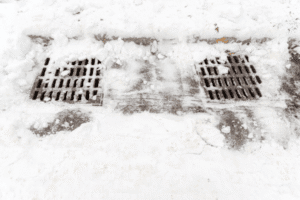
A freeze thaw cycle occurs when water changes state due to temperature shifts. When temperatures drop, water inside drains can freeze. As it freezes, it expands and places pressure on the internal surfaces of pipework. When temperatures rise, the ice melts, and the repeated expansion and contraction can weaken materials, joints and older pipe sections.
In drainage systems where flow is already restricted by leaf debris, silt or pre-existing defects, the effects of freeze thaw cycles often become more noticeable.
How freeze thaw cycles affect drainage performance
Freeze thaw cycles can influence drainage systems in several ways:
Reduced water flow during freezing
If water settles in gullies or pipework, it may freeze and slow the movement of water. This increases the likelihood of standing water and blockages.
Structural pressure on drains
As ice expands, it pushes against the drainage structure. This can create small cracks or worsen existing weaknesses, especially in older installations.
Overflows during thawing
When temperatures rise, melting ice can overwhelm a restricted system, leading to temporary flooding or overflows in yard areas.
More debris build-up
Winter brings increased leaf fall and surface debris. If not cleared, this material can accumulate and trap water, increasing freeze-related risks.
Early warning signs facilities managers should look for
Identifying freeze thaw drainage problems early helps prevent escalation. Useful signs include:
- Slow draining gullies
• Water that remains in drains long after rainfall
• Ice forming in the same locations on repeated days
• Rising water levels in manholes
• Overflow around gutters or downpipes
• Surface water gathering in yard or access areas
These indicators suggest that drainage systems may already be under pressure.
Why winter increases the likelihood of drainage damage
Drainage systems face more strain in winter due to:
- Higher rainfall levels
- Temperature fluctuations that place stress on pipe joints
- Blockages caused by accumulated leaf debris
- Soil movement around pipework during cold weather
- Reduced capacity caused by silt build-up
For commercial sites, these issues can quickly affect access routes, delivery areas and pedestrian pathways.
How to protect drainage systems during freeze thaw cycles
Facilities managers can take several steps to reduce freeze thaw drainage risks across their sites.
Clear gullies and surface drains
Removing debris ensures water does not sit in gullies, reducing the chance of freezing.
Use jetting to restore full flow
Jetting removes internal blockages and improves drainage capacity before temperatures fall further.
Book a CCTV drain survey
A winter CCTV survey helps identify hidden issues such as cracks, root ingress or partial collapses that could worsen in cold weather.
Check gutters and downpipes
Blocked gutters can overflow and create ice patches on walkways and entrances.
Review high-risk areas
Entrances, car parks and delivery zones often experience the most freeze thaw impact.
How Drain & Sewer Services supports winter drainage resilience
Drain & Sewer Services provides a full range of winter drainage maintenance services for commercial sites, including:
- Gully cleaning
• High-pressure jetting
• CCTV drain surveys
• Drain repairs
• Planned preventative maintenance programmes
• 24-hour emergency support
Our engineers ensure drainage systems remain safe, reliable and able to cope with winter conditions.
Conclusion
Freeze thaw drainage issues can cause significant disruption during winter, but most problems are avoidable with timely preparation. By inspecting drainage assets, clearing debris and taking a proactive approach to maintenance, facilities managers can reduce risk and support smooth site operations throughout the colder months.
To arrange a winter drainage inspection or planned maintenance visit, contact Drain & Sewer Services on 01252 312738, or email info@drainandsewer.co.uk.
Frequently asked questions
What is a freeze thaw cycle in drainage?
It describes the repeated freezing and thawing of water inside drainage systems, which can place pressure on pipes and reduce performance.
Can freeze thaw cycles damage drains?
Yes. Ice expansion can crack pipes, weaken joints and worsen existing defects.
How can I prevent freeze-related drainage issues?
Clearing gullies, maintaining good flow and checking for underlying problems reduces the likelihood of freeze-related issues.
Should drains be inspected during winter?
Yes. Mid-winter checks help identify problems that may not have been present earlier in the season.
