
Record rainfall and sustained pressure on drainage systems
Parts of the UK have recently recorded more than 40 consecutive days of measurable rain, with areas of Cornwall and County Down experiencing their wettest January on record. Extended wet spells of this nature do more than inconvenience businesses. They place sustained pressure on surface water and underground drainage systems.
Prolonged rainfall drainage pressure builds gradually. Once ground becomes saturated, additional rainwater cannot infiltrate effectively and instead flows across hard surfaces, tracks and access routes. At that point, drainage systems are no longer managing isolated rainfall events. They are coping with continuous hydraulic load.
For commercial estates, forestry land, agricultural holdings and infrastructure sites, this distinction matters.
When prolonged rainfall overwhelms drainage capacity
Drainage systems are designed around expected rainfall volumes. When rainfall continues for weeks rather than days, capacity can be exceeded even if drains are not blocked.
Several factors combine:
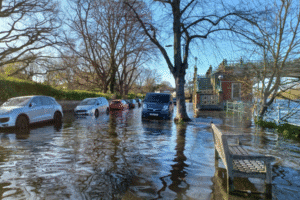
- Ground saturation increasing surface runoff
- Gullies and channels operating at constant flow
- Debris washing into drainage systems
- River levels rising and reducing outflow capacity
- Culverts and cross-drains carrying sustained volume
In these conditions, flooding is not always the result of poor maintenance. It may be the result of hydraulic overload. Recognising this helps businesses respond appropriately.
Standing water is often a symptom of system stress
Persistent standing water across access roads, yards or field tracks is not simply “a lot of rain”. It is often an indicator that prolonged rainfall drainage pressure is exposing weaknesses.
Common warning signs include:
- Water overtopping culverts
- Surface water flowing across tracks rather than under them
- Repeated pooling in the same low points
- Erosion along road edges
- Slow drainage even after rainfall has paused
These symptoms suggest that systems are under strain and may require intervention to prevent structural damage.
Culverts and rural access routes under sustained rainfall
For forestry operators, rural estates and farmland, culverts are critical pieces of infrastructure. They allow water to pass beneath tracks and access roads, maintaining vehicle movement and protecting land stability.
During prolonged wet weather:
- Debris such as branches and sediment can block culvert inlets
- Increased flow can cause overtopping
- Overtopping may erode surrounding ground
- Structural weakening can lead to track collapse
When access routes fail, the impact is immediate. Machinery movement, timber extraction, agricultural operations and emergency vehicle access can all be affected.
Professional inspection and clearance of culverts during extended rainfall periods is often essential to protect infrastructure and maintain operational continuity.
What can realistically be done during extreme rainfall 
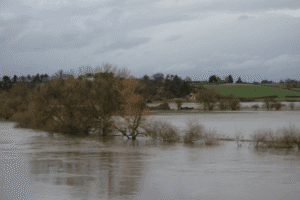
It is important to be clear. When river levels are high and rainfall remains continuous, flooding cannot always be prevented. However, mitigation can reduce damage and disruption.
Practical measures during prolonged rainfall include:
- Monitoring vulnerable culverts and cross-drains
- Removing debris from inlets where safe to do so
- Inspecting critical access routes regularly
- Identifying erosion early
- Protecting entry points to buildings
These steps support resilience but do not replace professional assessment where systems are clearly overwhelmed.
Why emergency drainage support becomes essential
When flooding is ongoing or infrastructure is at risk, rapid professional intervention is often required.
Drain & Sewer Services supports commercial and rural clients by providing:
- Emergency culvert clearance
- High-pressure jetting to restore flow capacity
- Pumping where appropriate
- CCTV drain surveys once water levels recede
- Identification of structural damage
- Drain and culvert repairs
In prolonged rainfall events, speed matters. Restoring flow before overtopping escalates can prevent far greater damage to roads, yards and access routes.
Post-flood inspection and recovery
Once rainfall subsides, the risk does not immediately disappear. Prolonged rainfall drainage events can leave hidden issues behind.
Silt accumulation, displaced pipe joints and weakened culvert structures may not be visible at surface level. CCTV surveys and targeted inspections help identify these problems before they lead to repeated flooding during the next heavy rainfall event.
Recovery planning is just as important as emergency response.
How Drain & Sewer Services supports drainage resilience
Drain & Sewer Services works with commercial estates, forestry bodies, agricultural landowners and infrastructure managers to maintain drainage resilience throughout extended wet periods.
Our services include:
- Surface water and culvert clearance
- High-pressure water jetting
- CCTV drain surveys
- Structural drain repairs
- Planned maintenance programmes
- 24-hour emergency response
By combining reactive support with preventative inspection, we help clients protect access routes, maintain land stability and reduce long-term infrastructure risk.
Conclusion
Record rainfall and sustained wet weather place prolonged pressure on drainage systems across the UK. When rainfall continues for weeks rather than days, even well-maintained systems can struggle.
Understanding the difference between routine maintenance issues and hydraulic overload helps commercial landowners and site managers respond effectively. Early intervention, professional inspection and emergency support play a vital role in protecting access, infrastructure and operational continuity.
If prolonged rainfall is affecting your site, Drain & Sewer Services is ready to provide practical, professional support.
Frequently asked questions
How does prolonged rainfall affect drainage systems?
Sustained rainfall increases surface runoff and can exceed drainage capacity, particularly when ground is already saturated.
Can drainage systems cope with continuous rain for weeks?
Even well-designed systems can become overwhelmed if rainfall continues beyond expected design conditions.
Why are culverts vulnerable during extended wet periods?
Debris blockage and increased flow can cause overtopping and erosion, leading to structural damage.
What should I do if access routes begin to flood?
Monitor conditions, remove visible debris where safe and seek professional drainage assessment if water persists or erosion is visible.
Is post-flood inspection necessary?
Yes. Flood events can leave hidden structural or capacity issues that increase future risk.
