
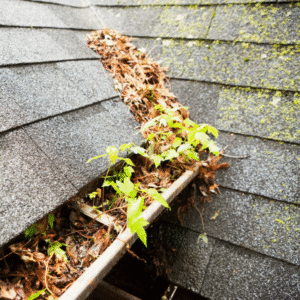
 Spring often feels like a period of recovery for drainage systems. After winter, sites begin to dry out, temperatures rise and day-to-day operations return to a more normal rhythm. However, this is also the time when a different set of drainage issues can start to develop.
Spring drainage problems are often linked to growth. Trees, hedges, weeds and other vegetation begin to grow more actively, and that growth can affect drains, soakaways, gullies and culverts in ways that are not always obvious at first. What looks like a minor issue at the surface can quickly become a restriction below ground.
For commercial properties, estates and rural sites, spring is a good time to identify these issues early and prevent them from developing into more disruptive drainage failures later in the year.
What spring growth can do to a drainage system
As temperatures rise, plant growth accelerates. This can affect drainage systems in several ways.
Roots naturally seek out moisture. That makes drains, joints, soakaways and culverts particularly attractive. If pipework already has small defects, cracked joints or weak points, roots can begin to enter and expand inside the system. Over time this reduces flow and increases the likelihood of blockages.
At surface level, faster vegetation growth can also restrict drainage channels, cover gullies and trap organic debris. This does not always result in immediate flooding, but it can reduce drainage efficiency and create conditions where water starts to back up during rainfall.
In short, spring growth can turn a system that survived winter into one that starts to struggle just as the season changes.
Why root intrusion becomes more common in spring
Root intrusion is one of the most common causes of hidden spring drainage problems. It often begins with a small opening in a pipe or joint that allows fine roots to enter. Once inside, they continue to grow in search of water and nutrients.
This can lead to:
- reduced pipe capacity
- repeated partial blockages
- slow drainage
- long-term structural damage
Older drainage systems are particularly vulnerable, but even newer systems can be affected if there are weak joints or previous repairs.
What makes root intrusion difficult is that it often develops gradually. The first sign may simply be that drainage starts to slow or a blockage returns more than once. By the time the problem is visible from the surface, the growth inside the pipe may already be extensive.
CCTV drain surveys are often the most effective way to confirm whether roots are affecting the system.
How gullies, channels and soakaways are affected by spring growth
Spring drainage problems are not limited to underground pipework. Surface drainage assets can also be affected once vegetation growth begins again.
Gullies and channel drains may become surrounded by weeds or organic material that slows the movement of water into the system. Leaves, blossom, seed debris and fine plant matter can accumulate around grates and in shallow channels, gradually restricting flow.
Soakaways can also be affected. If surrounding ground remains compacted or partially saturated after winter, new vegetation growth may worsen poor drainage performance by reducing effective flow routes or obscuring the signs of surface water build-up.
These are often the kinds of issues that start small and are easy to ignore, but they can quickly become a larger maintenance problem once heavier spring rainfall arrives.
The warning signs to look for
Spring drainage problems rarely begin with a major failure. More often, there are early indicators that the system is not functioning as it should.
Typical warning signs include:
- recurring blockages in the same location
- water draining away more slowly than usual
- gullies that hold water after rainfall
- vegetation growing unusually thick around drains or channels
- damp or boggy areas appearing near soakaways
- unpleasant odours from external drainage points
If these signs are appearing across a site, it is often a sign that growth, debris or root activity is beginning to affect the drainage system.
Why early action makes a difference
Spring is one of the best times to investigate drainage issues because access is often easier than in winter and the symptoms of restriction are becoming clearer.
If root intrusion, organic build-up or restricted flow is identified early, the solution is usually more straightforward. Drain jetting, root cutting, gully clearance or CCTV investigation can often resolve the issue before it causes wider disruption.
If left too long, however, spring growth can contribute to more serious problems later in the year. A restricted pipe may become fully blocked. A culvert may lose capacity. A soakaway may start to fail. What could have been dealt with as maintenance can then become a repair issue.
For businesses and land managers, early intervention is almost always more efficient than waiting for a problem to escalate.
How Drain & Sewer Services can help
Drain & Sewer Services supports commercial properties, estates and rural sites across the South East, including Hampshire, Surrey and Berkshire, with practical drainage maintenance and inspection services during spring and throughout the year.
Our services include:
- CCTV drain surveys to identify root intrusion and hidden defects
- high pressure jetting to clear build-up and restore flow
- gully and surface water drain maintenance
- culvert inspection and clearance
- drain repairs where structural issues are found
- emergency response where urgent action is needed
Spring is an ideal time to assess how your drainage system has come through winter and whether new seasonal growth is starting to affect performance.
Conclusion
Spring often marks the point when drainage systems begin to show a different type of strain. Instead of freezing temperatures and winter debris, the main pressure comes from renewed growth, root activity and gradual surface restriction.
Understanding how spring growth affects drains, gullies, soakaways and culverts helps site managers and property teams act early. In many cases, identifying the problem at this stage can prevent more serious disruption later in the season.
If you are seeing signs of spring drainage problems across your site, Drain & Sewer Services can provide inspection, maintenance and professional support.
Frequently asked questions
Why do drainage problems appear in spring?
Spring growth can increase root intrusion, surface debris and vegetation around drainage assets, all of which can affect performance.
Can tree roots damage drainage pipes?
Yes. Roots can enter small cracks or joints, grow inside the pipe and cause blockages or structural damage.
What are the signs of root intrusion in drains?
Recurring blockages, slow drainage and repeated issues in the same location are common signs.
Can gullies become blocked in spring?
Yes. Organic material, weeds and plant debris can restrict gullies and channel drains during spring.
How can hidden spring drainage problems be identified?
CCTV drain surveys are one of the most effective ways to identify root intrusion and hidden defects inside drainage systems.
