
Most drainage systems will experience occasional issues over time. However, when the same problem continues to return, it is often a sign that something more significant is affecting the system.
Recurring drainage problems can appear in different ways. A drain may repeatedly block in the same location, gullies may regularly overflow or unpleasant odours may keep returning despite previous cleaning or maintenance.
While it is tempting to treat these as isolated incidents, repeat problems often indicate an underlying issue within the drainage system itself. Identifying the root cause early can help prevent more disruptive failures and reduce the need for repeated reactive call-outs.
Why recurring drainage issues should not be ignored
A one-off blockage is not unusual. Drainage systems deal with changing flow conditions, debris and day-to-day operational use.
However, when the same issue repeatedly affects a site, it usually means the underlying cause has not been fully resolved.
Recurring drainage problems can gradually increase in severity over time. What begins as occasional slow drainage may eventually lead to:
- repeated blockages
- overflowing gullies
- standing water
- unpleasant odours
- disruption to site operations
In many cases, the visible issue is only the surface symptom of a larger problem within the drainage network.
What repeated blockages can indicate
If a drain repeatedly blocks in the same location, there is often a reason beyond normal debris build-up.
Common underlying causes include:
- restricted or damaged pipework
- root intrusion into the drain
- poor pipe falls reducing water flow
- grease accumulation inside pipework
- structural defects causing debris to collect
- sections of pipe beginning to collapse
In commercial environments, repeated blockages are often linked to systems operating under ongoing strain rather than a single isolated issue.
Simply clearing the blockage may restore temporary flow, but unless the underlying restriction is identified, the problem is likely to return.
Why odours and slow drainage often return
Recurring odours and slow drainage are also common warning signs.
In many cases, these symptoms develop when water is unable to move efficiently through the system. Restricted flow allows organic material, grease or stagnant water to accumulate over time, particularly in areas where drainage performance is already compromised.
This can result in:
- unpleasant smells around drains or gullies
- water draining away slowly
- repeated build-up inside channels or pipework
- increased maintenance requirements
Where odours or slow drainage continue to return after cleaning, further investigation is often needed to identify the underlying cause.
How surface-level signs can point to larger drainage faults
Recurring drainage issues are not always limited to the drains themselves. Sometimes the first visible signs appear on the surrounding surface.
These may include:
- standing water near gullies
- damp patches that do not dry out
- movement in block paving or hardstanding
- soft ground near drainage routes
- erosion around drainage channels or kerbs
These signs can indicate that water is not flowing through the system as intended or that underground drainage infrastructure may be deteriorating.
On commercial sites, access routes, car parks and service areas often reveal these issues first because water movement becomes visible on the surface.
Why CCTV drain surveys are often the most effective solution
Recurring drainage problems are difficult to resolve properly without understanding what is happening inside the system.
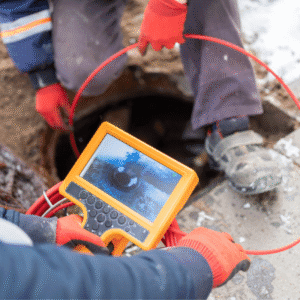
CCTV drain surveys allow engineers to inspect pipework internally and identify hidden defects that may not be visible from the surface.
This can help identify:
- root intrusion
- collapsed or displaced pipe sections
- grease build-up
- cracks and structural defects
- restricted flow areas
- recurring debris accumulation points
By identifying the actual cause of the issue, repairs and maintenance can be targeted more effectively rather than repeatedly reacting to the symptoms.
Reactive maintenance vs planned maintenance
Recurring drainage issues often lead businesses into a cycle of reactive maintenance.
A blockage occurs, the system is cleared and operations continue until the issue returns again. Over time, repeated reactive call-outs can become disruptive and costly.
Planned maintenance and early investigation help reduce this risk by identifying problems before they escalate.
For commercial properties, estates and managed sites, this can help:
- reduce emergency call-outs
- improve drainage performance
- maintain safe access routes
- reduce long-term repair costs
- minimise operational disruption
In many cases, planned maintenance is significantly more effective than repeatedly addressing the same symptoms.
How Drain & Sewer Services can help
Drain & Sewer Services supports commercial properties, estates and rural sites across the South East with drainage investigation, maintenance and repair services.
Our services include:
- CCTV drain surveys
- high pressure drain jetting
- drainage repairs and maintenance
- gully and surface water drainage cleaning
- root intrusion investigation and removal
- culvert inspection and maintenance
- planned drainage maintenance programmes
By identifying the underlying cause of recurring drainage problems, we help businesses move beyond repeated reactive call-outs and towards longer-term solutions.
Conclusion
Recurring drainage problems are rarely caused by a single blockage alone.
Repeated issues such as slow drainage, odours, standing water or overflowing gullies often indicate that a wider problem is affecting the drainage system.
Identifying the underlying cause early helps reduce disruption, improve system performance and prevent more serious failures developing over time.
If the same drainage issues continue to return across your site, Drain & Sewer Services can help investigate the cause and recommend the most appropriate solution.
FAQs
Why do my drains keep blocking?
Recurring blockages are often caused by underlying issues such as root intrusion, damaged pipework, restricted flow or grease accumulation.
Can recurring drainage odours indicate a blockage?
Yes. Persistent odours can indicate restricted flow, stagnant water or organic build-up within the system.
How do you identify hidden drainage problems?
CCTV drain surveys allow engineers to inspect pipework internally and identify structural or flow-related issues.
Is planned drainage maintenance better than reactive call-outs?
In many cases, yes. Planned maintenance helps identify problems early and reduces the likelihood of repeated emergency issues.
