
The London Museum’s collection includes part of the Whitechapel fatberg, which weighed 130 tonnes. It is a startling object, but the surprising thing is how ordinary its cause was. Nobody builds a fatberg. It forms, a little at a time, from the fat and grease that goes down kitchen sinks.
For restaurants, pubs, hotels, takeaways and the kitchens in schools and care homes, that makes grease one of the most preventable causes of drain trouble. With busy festive weeks ahead for many kitchens, it is a good moment to look at how it happens and what to do about it.
How a fatberg forms 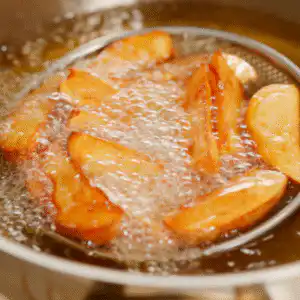
The process is simple. Cooking fats poured down the sink, even with hot water and washing-up liquid, soon set hard in cold pipes. There, they mix with items that should never be flushed, such as wet wipes, and build into a fatberg.
That is why a drain that looks fine on a busy Friday can be partly blocked already. The pipe narrows a little with each service, until one day something small is enough to stop it.
What blockages cost
Across the UK there are around 300,000 sewer blockages a year, costing around £200m to clear and flooding more than 3,000 homes, according to Water UK. Those are totals for all blockages, and fat is a leading cause.
The figures for fat specifically are clearer at regional level. In London and the Thames Valley, fats, oils and grease cause more than 20,000 sewer blockages a year, cost around £40m to clear and contribute to more than 60% of sewer flooding incidents. These are figures for one region, so they should not be added to the national total, but they show how much of the problem comes down to grease.
What the law says
Section 111 of the Water Industry Act 1991 makes it an offence to put into a public sewer, or into any drain or sewer connected to one, anything likely to injure it, interfere with the free flow of its contents or affect the treatment of waste. It also covers anyone who allows that to happen. The penalties on conviction include a fine and, in the most serious cases, up to two years in prison.
The Act does not mention fat by name, but water companies apply it to fats, oils and grease. Putting FOG into a sewer is a criminal offence where it could cause blockages, damage the network or interfere with wastewater treatment, and it is enforced. In the past five years Thames Water has successfully prosecuted three businesses for improper trade effluent disposal and sewer misuse, with fines and costs totalling over £50,000.
For a business owner, the words about allowing it matter. What goes down the sink is partly a matter of what your staff are trained to do.
What food businesses are expected to do
Food businesses have three things to get right: make sure staff know how to dispose of fats, oils and grease responsibly, have a specialist company collect and recycle leftover fats, oils and greases, and use equipment to collect waste before it enters the drains.
That equipment is usually a fat trap, typically a stainless-steel unit fitted in a commercial kitchen to capture fats, oils and grease before they reach the drain. Food businesses are required to have effective grease management in place, and simply installing a basic fat trap is not enough if it does not adequately keep grease out of the sewer.
A fat trap only works if it is looked after
Examples of how this goes wrong are not hard to find. Thames Water has come across equipment deliberately bypassed to avoid maintenance costs. In one case, a takeaway cut away part of its fat trap and fed a pipe straight through the unit so that it looked compliant from the outside, while grease flowed into the sewer unhindered.
Most businesses will never do that, but the lesson applies to everyone. A trap that is full, damaged or overdue for emptying is not protecting your drains, and water companies make return visits to check that equipment is being maintained and used properly.
A practical checklist for kitchens
Alongside those three, these are sensible habits for any kitchen:
- wipe grease from pans and trays with paper before washing
- use sink strainers to catch food waste before it reaches the pipe
- keep used cooking oil in a container for specialist collection, never down a sink or floor drain
- include fat disposal in staff training, including for agency and seasonal staff
- keep the fat trap, if you have one, emptied and in good repair, and keep a record of when it was done
- treat slow drains and bad smells as early warnings rather than a nuisance
When grease has already built up
Even in well-run kitchens, grease can build up over time. Fat, grease and general waste are the kind of blockage our drain unblocking service deals with every day, using jetting units that can clear and clean lines up to 225mm at pressures of up to 3,600 PSI. A CCTV drain survey lets us see how much has built up and whether there is damage as well, and our sewer cleaning and de-silting service can restore flow in larger systems.
For regular sites, a pre-planned maintenance contract means the drains are checked and cleared on a schedule that suits your kitchen, rather than after something has gone wrong. And if a blockage cannot wait, our 24-hour emergency service is available every day of the year.
Drain & Sewer Services has more than 50 years’ experience of drain and sewer work across the South of England. Call 01252 312738 or email info@drainandsewer.co.uk.
If you would like to see how big a fatberg can get, we mention the Whitechapel one in our post on the lost rivers and hidden tunnels under UK towns.
Frequently asked questions
What is a fatberg?
A mass of fat, oil and grease that has hardened in a sewer and combined with items such as wet wipes. The London Museum’s collection includes part of the Whitechapel fatberg, which weighed 130 tonnes.
Does hot water or washing-up liquid stop fat blocking pipes?
No. Cooking fats poured down the sink, even with hot water and washing-up liquid, soon set hard in cold pipes.
Is it illegal to put fat down a drain?
Section 111 of the Water Industry Act 1991 makes it an offence to put into a public sewer, or a drain connected to one, anything likely to damage it or interfere with the free flow of its contents, and water companies apply this to fats, oils and grease that could cause blockages.
Does my food business need a fat trap?
Food businesses are required to have effective grease management in place, and a basic trap alone is not enough if it does not stop grease reaching the sewer. Requirements can vary, so check what your own water company expects.
Can you clear a grease blockage in a commercial kitchen drain?
Yes. Fat and grease blockages are a regular part of our drain unblocking work, and our engineers can jet the line and survey it afterwards to check the condition of the pipe.
